Home › Asphalt Milling and Reclamation
Prepare your site for new pavement with professional asphalt milling in Charleston, SC. We remove and recycle existing asphalt, correct elevations, and create a stable base. Our milling and reclamation services are ideal for roads, parking lots, and large commercial areas.
Precision Asphalt Charleston provides professional asphalt milling throughout Charleston, SC, South Carolina and the surrounding area. Our licensed, insured crew delivers safe, clean, on-time work with a free estimate before anything begins. Call (854) 666-3678 or request your free quote.
Asphalt Milling in Charleston SC: Smarter Pavement Renewal
Asphalt milling is one of the most cost effective ways to correct worn or uneven pavement without paying for a full tear out and replacement. Precision Asphalt Charleston uses commercial grade milling equipment to remove a controlled thickness of asphalt from your existing surface, create a clean profile, then repave only what is needed. This process is ideal for parking lots, drive lanes, HOA streets, and commercial or industrial sites throughout the Charleston area.
Unlike simple overlay work, asphalt milling allows us to fix drainage problems, tie into existing concrete at proper elevations, and avoid creating trip lips at transitions. In coastal South Carolina, where frequent rain and high groundwater expose weaknesses in pavement, milling helps us reset grades so water sheds correctly instead of ponding and breaking down your asphalt.
Our team focuses on precise depth control, clean joints, and careful traffic planning so your property stays accessible and the final surface performs for years in Charleston heat and humidity.
How the Asphalt Milling Process Actually Works
On a typical milling project, Precision Asphalt Charleston follows a clear, step by step process so you know exactly what will happen on your property.
1. Site walk and measurements: We walk the pavement with you, identify low spots, rutting, reflective cracking, and drainage paths, then spot check depths with cores or probes where needed. We also mark utilities and sensitive structures so the milling machine operates safely.
2. Set milling depth and strategy: Based on pavement condition, we usually mill between 1 and 3 inches. For severely cracked or alligatored areas we may recommend deeper milling or full depth reclamation. For sound pavement that only has surface wear, we can often remove a thinner layer and preserve more of the existing structure.
3. Traffic control and staging: Before the machine arrives, we set up cones, barrels, signs, and flaggers as needed and coordinate with your hours of operation. For busy Charleston sites such as medical offices and shopping centers, we often stage work at night or in sections so you can stay open.
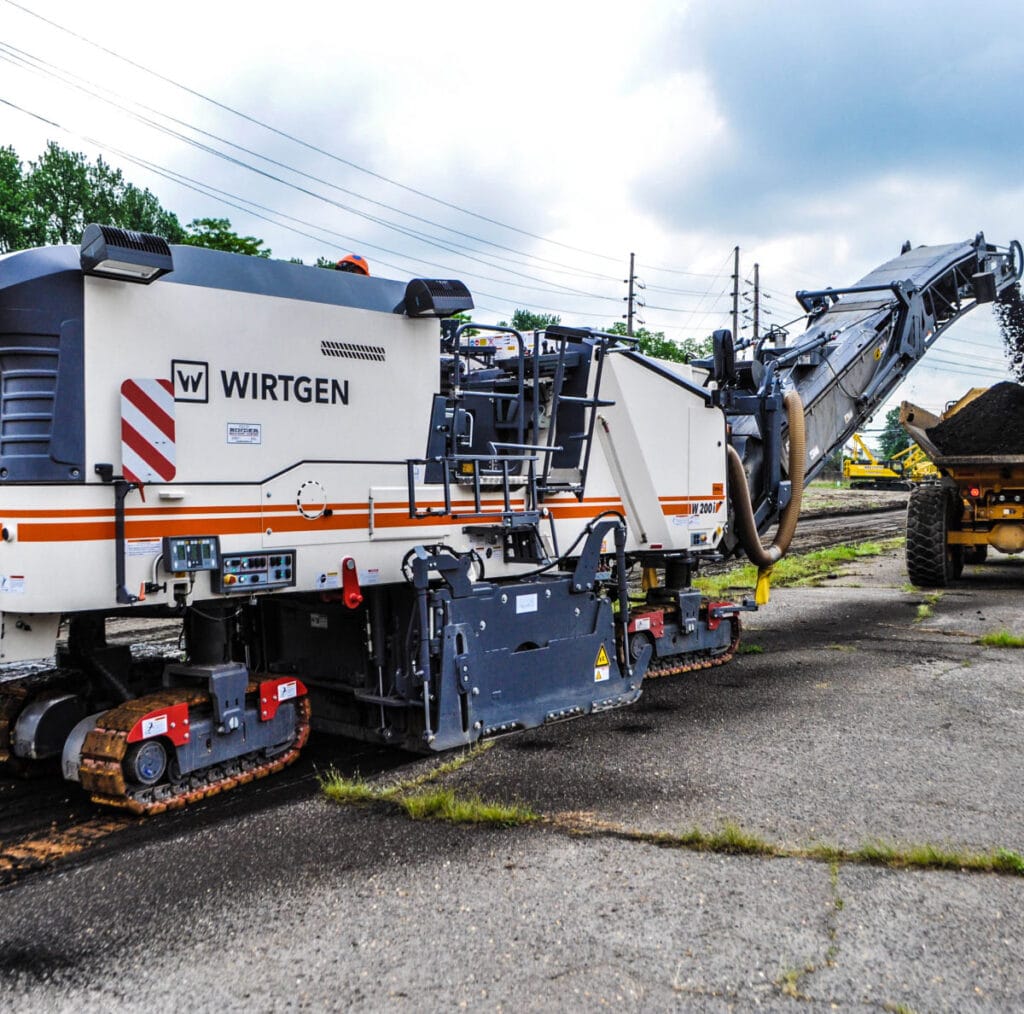
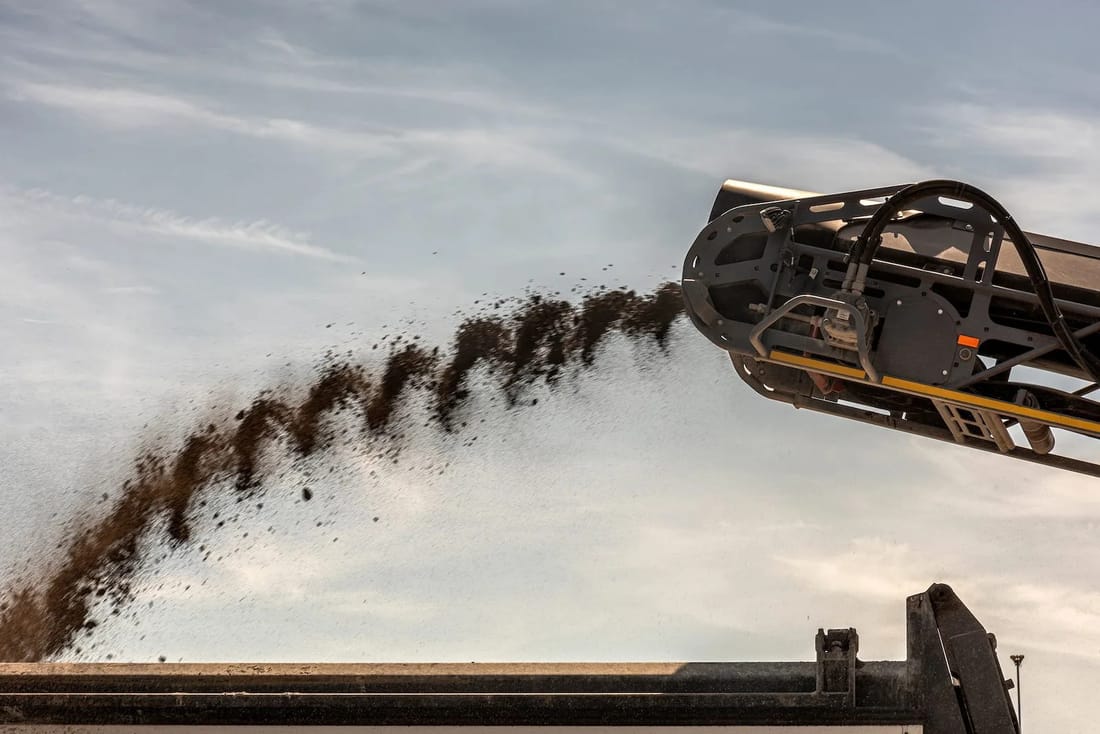
4. Milling operation: Our cold planer uses a rotating drum with carbide teeth to grind the asphalt to the pre set depth. A conveyor loads the milled material directly into dump trucks so the area remains clean and safe. The operator constantly adjusts grade sensors to keep elevation and slope within tight tolerances.
5. Detail work and clean up: Once bulk milling is complete, we trim edges along curbs, catch basins, and concrete pads with smaller equipment. The surface is then swept thoroughly so the new asphalt overlay bonds properly.
6. Overlay and compaction: Finally, we place the specified asphalt mix, typically SCDOT approved surface courses suited to Charleston traffic and climate, then compact it with steel and pneumatic rollers to achieve target density and a smooth ride.
Full Depth Reclamation: When Milling Alone Is Not Enough
For pavements that are badly failed from the base up, especially in older industrial yards or heavily loaded drive lanes, asphalt milling by itself may not solve the problem. That is where full depth reclamation (FDR) comes in. Precision Asphalt Charleston uses reclamation techniques to recycle the existing asphalt and base into a stronger, stabilized foundation.
During FDR, we use a reclaimer to pulverize the full thickness of asphalt together with several inches of the underlying base. Depending on design, we can blend in cement, fly ash, or other stabilizers to improve strength and resistance to moisture. The material is then graded, shaped to proper crown and drainage, and compacted to form a new base layer.
Once the reclaimed base has cured, we install a new asphalt surface course on top. The result is similar performance to a full reconstruction, but with lower material costs, fewer truck trips, and less disruption since the existing materials on your Charleston site are reused. This method is particularly effective in areas with chronic rutting, deep structural cracks, or repeated patch failures.
We evaluate each property to determine where simple milling and overlay is sufficient and where FDR would deliver a better long term solution. You will see the cost and performance differences clearly before any work begins.
What Drives the Cost of Asphalt Milling in Charleston
Homeowners associations, property managers, and local business owners often ask why prices for asphalt milling can vary. The main drivers are depth and area, but several Charleston specific factors influence the final investment.
Depth and quantity: Milling 1 inch across a large, unobstructed parking lot is more efficient than milling 3 inches or working in small, chopped up sections. Deeper removal means more machine time, more trucking of millings, and more new asphalt to replace what was removed.
Access and layout: Tight urban sites in downtown Charleston or Mount Pleasant with many islands, speed bumps, and short runs require more hand work and specialized equipment, which affects cost. Wide open warehouse yards and distribution centers typically mill faster and more economically.
Surface condition: Heavy cracking, raveling, or severe rutting may require multiple passes or different tooling to reach a solid layer. If the base is unstable, we may propose full depth reclamation or base repairs in addition to milling.
Logistics and timing: After hours or night work, which is often requested in busy Charleston retail corridors or medical complexes, adds labor and lighting costs. Accelerated schedules and phased work to keep critical operations running can also influence pricing.
Material and mix design: The thickness and type of new asphalt overlay, whether standard SCDOT surface mixes or heavier duty designs for truck traffic, is another key cost component. We show you options so you can balance budget with expected traffic loads and lifespan.
Local Considerations: Drainage, Climate, and Regulations
Charleston’s coastal climate and flat terrain create specific challenges for asphalt surfaces. Milling and reclamation give us tools to address those challenges when designed correctly.
Drainage and ponding: Because much of the Lowcountry is nearly flat, even small grade changes can trap water. During our pre job layout, we use levels or laser equipment to set milling depths that restore crown and cross slope. Around catch basins and inlets, we carefully mill to match rim elevations and eliminate standing water that accelerates pavement failure.
Heat, humidity, and rainfall: High summer temperatures and sudden thunderstorms mean any overlay placed on a milled surface has to be scheduled and compacted carefully. Precision Asphalt Charleston times paving windows so tack coat cures, the surface stays dry, and compaction is completed before afternoon storms are likely.
Permits and HOAs: In the City of Charleston and surrounding municipalities, milling and overlay within public rights of way or near storm drains may require coordination or permits, especially if traffic patterns are affected. Many HOAs around Charleston, Summerville, and Goose Creek also require advance notice to residents and sometimes architectural or board approval. We assist with realistic phasing plans, notices, and simple diagrams so boards and managers can get quick approval.
Environmental handling: Reclaimed asphalt pavement from milling is a valuable recyclable material. We transport millings to approved facilities or reuse them in accordance with South Carolina regulations, which helps reduce waste and can improve project economics.
Common Issues With Milled Surfaces and How We Prevent Them
If milling is done poorly, it can create new problems instead of solving old ones. Precision Asphalt Charleston focuses on details that many contractors overlook so your finished surface performs as intended.
Rough or wavy milled texture: Uneven drum speeds, worn teeth, or improper machine setup can create a choppy base that shows through the overlay. Our crews inspect and change teeth as needed and use automatic grade and slope controls to keep a consistent cut.
Poor drainage after overlay: Milling without a clear drainage plan can freeze existing low spots in place. Before we begin, we map high and low areas, adjust milling depths near inlets and gutters, and sometimes recommend localized deep patches to correct structural failures below the surface.
Delamination of new asphalt: If dust, loose fines, or debris remain after milling, the tack coat cannot bond properly. We sweep milled areas thoroughly, often multiple passes, then apply tack coat at the correct rate for the texture of the surface. This step is critical in Charleston’s humid climate where moisture can interfere with bonding.
Trip hazards and mismatched elevations: Entries, ADA ramps, and transitions to concrete are carefully checked so the combination of milling depth and overlay thickness results in smooth tie ins. We measure at doors, loading docks, and utility boxes before cutting any asphalt so there are no surprises when the new surface is placed.
What Charleston Property Owners Should Decide Before Hiring
Before you move forward with asphalt milling or reclamation, there are several decisions that will help Precision Asphalt Charleston design the right solution and provide a clear proposal.
Service life expectations: Be realistic about how long you want the new surface to last. A retail parking lot with 10 years of expected use may justify different milling depths and overlay thickness than a temporary laydown yard with a shorter horizon.
Traffic and loading: Note where heavy trucks, garbage collection, and delivery vehicles travel or turn. These areas may need deeper milling, thicker asphalt, or even localized reclamation to prevent early rutting and fatigue.
Operational constraints: Tell us your busy hours, restricted noise times, and any access points that must remain open. In Charleston’s tourism and healthcare sectors, careful staging can be as important as the technical pavement design.
Budget and phasing: Larger properties can often be divided into phases so costs are spread over multiple fiscal years. We can prioritize the worst performing areas first, then return for additional milling and overlay as budgets allow.
When you contact Precision Asphalt Charleston for an asphalt milling or reclamation project, we walk you through these choices, supply straightforward options, and back up our recommendations with measurements, photos, and design notes so you can see exactly what you are buying.