Home › Gravel-to-Asphalt Conversions
Tired of ruts and dust from your gravel drive. Our gravel to asphalt driveway conversions in Charleston, SC replace loose stone with a clean, solid blacktop surface. We reshape the base, compact it, and install hot mix asphalt for a driveway that is easier to drive, plow, and maintain.
Precision Asphalt Charleston provides professional gravel to asphalt driveway throughout Charleston, SC, South Carolina and the surrounding area. Our licensed, insured crew delivers safe, clean, on-time work with a free estimate before anything begins. Call (854) 666-3678 or request your free quote.
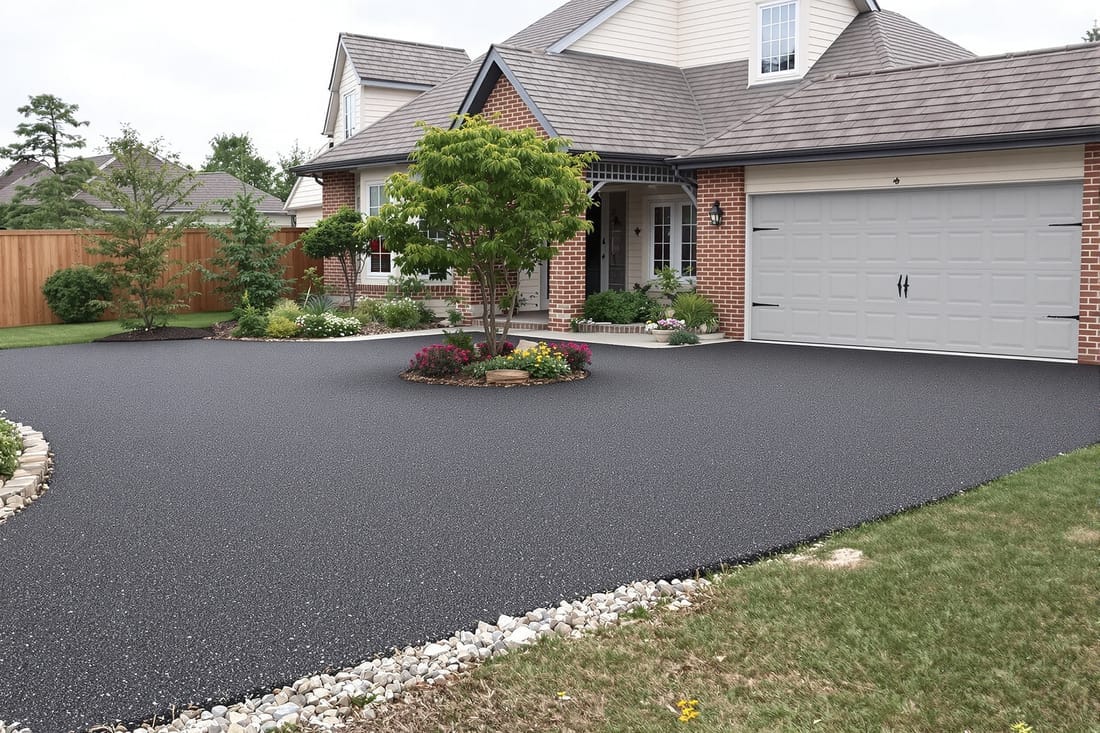
Turn Your Gravel Driveway Into a Clean, Solid Asphalt Surface
If you are tired of ruts, dust and loose stone, a gravel to asphalt driveway conversion can make everyday life easier and protect your property value. At Precision Asphalt Charleston, we specialize in transforming bumpy gravel drives into smooth, durable asphalt surfaces that stand up to coastal South Carolina weather.
A proper conversion is more than just paving over the top of your gravel. We evaluate your existing drive, check the base depth, drainage pattern and soil conditions, then build a structure that can actually support vehicles for years. Our crews work across the Charleston area, from West Ashley and James Island to Mount Pleasant, North Charleston and the rural outskirts, so we understand how local soil types and low coastal elevations affect the finished result.
We focus on clean edges, consistent thickness and correct water flow so your new asphalt driveway does not break down early or collect standing water after a Lowcountry storm. The goal is a driveway that looks neat from the road, feels solid under your tires and holds up through hot summers and hurricane season.
How We Convert a Gravel Driveway to Asphalt in Charleston
A successful gravel to asphalt driveway project follows a clear, step by step process. Here is what you can expect when you work with Precision Asphalt Charleston.
1. On site evaluation and measurement. We walk the entire drive, check for soft spots, standing water, tree root issues and any areas that already wash out after heavy rain. We measure the length, width and changes in slope so we can estimate the amount of asphalt mix and base work required.
2. Grading and base shaping. Most gravel driveways have some base material in place, but it is rarely uniform. We regrade the surface with a skid steer, smooth out high and low spots, and shape a gentle crown or side slope so water sheds to the edges instead of pooling on top.
3. Strengthening the base if needed. In weaker areas or on drives that have been rutted by heavy trucks, we add additional crushed stone or recycled concrete aggregate, then compact it with a vibratory roller. In some soft, marsh influenced soils around Charleston, we may recommend geotextile fabric under sections of the drive to stabilize the base.
4. Edge definition. Before paving, we cut in clean edges where the new asphalt will meet lawns, beds or existing concrete. For long rural drives, we often create shallow swales or install small culverts at low points so stormwater can move under or alongside the drive instead of across it.
5. Hot mix asphalt installation. Once the base is compacted to specifications, we install hot mix asphalt at a thickness that matches the use of the driveway. Residential passenger car drives typically get 2 to 3 inches of compacted asphalt, while drives that see boat trailers or delivery trucks may need a thicker mat.
6. Final compaction and clean up. We roll the new asphalt with steel drum and pneumatic rollers to lock in density and smoothness. Then we address transitions to the street or garage, remove stray gravel, and leave the site clean so you can start using the driveway as soon as the surface has cooled and we give you the go ahead.
Local Conditions That Affect Your Gravel to Asphalt Driveway
Charleston’s climate plays a direct role in how a new asphalt driveway should be designed and scheduled. Our summers are long, hot and humid, and our soil often has a high moisture content, especially in areas built over old marsh or fill. Precision Asphalt Charleston takes these factors into account before we recommend moving from gravel to asphalt.
Rainfall and drainage: Sudden downpours and tropical systems can quickly expose drainage problems. If we simply pave on top of existing gravel without improving water flow, you may see edge failures, cracks and potholes sooner than expected. We analyze where water currently travels and recommend swales, small culverts or regrading to move water away from the new pavement.
Soil and base stability: In parts of Charleston where the subgrade is soft or silty, gravel can shift and create hidden soft spots. We test base firmness by proof rolling and, when needed, reinforce weak areas with additional stone, fabric or a thicker asphalt section so the driveway does not settle unevenly.
Season and timing: We typically schedule gravel to asphalt driveway conversions in cooler parts of the day during summer and during drier stretches in spring and fall. Asphalt cools very fast on breezy days and stays pliable longer during humid stretches. Our crews time compaction so the surface locks together properly and does not scuff or ravel.
Tree coverage and roots: Many Charleston homes have beautiful oaks and pines close to the drive. Roots can lift pavement over time. When we convert gravel to asphalt, we identify nearby roots that may cause problems and discuss options like minor alignment shifts, root pruning in cooperation with an arborist, or thicker sections in root zones.
Design Choices for Your New Asphalt Driveway
Switching from gravel to asphalt is a chance to improve more than just the surface. Precision Asphalt Charleston can adjust your driveway layout, appearance and performance while we perform the conversion.
Driveway width and layout: Many gravel drives are just as wide as a vehicle plus a few inches of margin. When we go to asphalt, homeowners often choose to widen to allow easier passing, safer backing and more comfortable parking. We can also soften tight turns, straighten awkward kinks or create a larger turnaround near the house.
Edge treatments: You can leave asphalt edges flush with the lawn for a natural transition or add concrete, brick or stone borders if you want a more finished look. Defined edges help hold the pavement in place on higher banks and can reduce crumbling where vehicles regularly ride the shoulder.
Surface and color: Standard residential asphalt in Charleston is a dark black mix that lightens to charcoal gray as it cures. For a more refined look and longer life, some clients choose to sealcoat after the first curing period, which deepens the color and provides an extra layer of protection from UV and spilled fluids.
Use based design: A driveway that mainly sees sedans and SUVs can be built differently from one that regularly carries boat trailers, campers or work trucks. We can adjust asphalt thickness, base depth and mix type to support your specific use instead of using a one size fits all approach.
What Affects the Cost of Converting Gravel to Asphalt
Every gravel to asphalt driveway project in Charleston is a little different, so costs can vary. Precision Asphalt Charleston is upfront about the factors that drive the price so you can plan and prioritize.
Driveway size and shape: Longer, wider drives use more materials and machine time. Tight curves, steep sections and limited access add labor because equipment movement is slower and there may be more handwork.
Base condition: A gravel drive with a deep, solid base and good drainage may need only minor touch ups before paving. A drive that has been neglected, has frequent washouts or lies on very soft soil may require additional stone, compaction and drainage improvements. Base work is often the biggest variable in cost, but it is also what determines how long your new asphalt will last.
Thickness and mix type: Heavier use driveways need thicker asphalt, which increases material costs. If you have heavy vehicles or plan to add a detached garage or workshop, it can be smart to invest in a stronger section now rather than repairing premature damage later.
Site access and extras: If large trucks and rollers can easily reach your driveway, the project goes faster and costs less. Work in tight downtown Charleston lots, on narrow marsh causeways or behind existing structures can add time. Extras like drainage pipe, decorative borders or additional parking pads will also affect the total.
We provide detailed written estimates that break these pieces out, so you can see exactly where your investment is going and consider options that match your budget and plans.
Common Issues With Gravel Driveways and How Asphalt Fixes Them
Many Charleston homeowners reach out to Precision Asphalt Charleston after living with the same gravel problems year after year. Converting to asphalt addresses most of these issues and improves day to day use.
Ruts and washouts: Gravel shifts under tires and washes away under heavy rain. Over time, low spots collect water and deeper ruts develop. A properly compacted asphalt surface distributes weight evenly and sheds water, so you are not constantly redistributing stone with a rake or tractor.
Mud and dust: In wet weather, gravel drives can turn messy, especially in shaded areas that stay damp. In dry spells, they create dust that settles on cars, porches and inside your home. Asphalt seals the surface, which keeps mud off your tires and eliminates the dust cloud when you pull in or out.
Snow and storm cleanup: While Charleston does not see much snow, occasional ice events and storm debris are harder to manage on loose gravel. It is easier to clear branches, palm fronds and sand off asphalt with a blower or broom, and plows or shovels work more effectively on a solid surface.
Accessibility and appearance: A gravel drive can be difficult for guests with mobility challenges, stroller wheels, bikes and wheelchairs. Asphalt provides a firm, even surface that is easier to walk and roll across. It also gives your property a cleaner, more finished look that can make a strong first impression on visitors and potential buyers.
What to Expect When You Hire Precision Asphalt Charleston
From the first visit to the moment you park on your new asphalt, we aim to make the gravel to asphalt driveway process straightforward and respectful of your home and neighbors.
Consultation and planning: We listen to how you currently use your driveway and what bothers you most about the gravel. Together, we look at options like widening, adding parking near the house or adjusting the path slightly. We then provide a written proposal that outlines scope, materials, schedule and price.
Scheduling and preparation: Once you approve the plan, we set a start date that works with your schedule and the weather. Before we mobilize, we ask you to clear vehicles and movable items. We coordinate truck routes and staging areas so the work has minimal impact on your yard and street.
Construction and communication: During the project, our foreman is on site to answer questions and explain what is happening at each step. We manage traffic so you can still get in and out when needed, and we keep you informed if weather requires any adjustments.
Aftercare and maintenance guidance: When the new asphalt is in place, we give you clear instructions about when you can drive and park on it, how long to avoid very tight turns from stationary positions, and when to consider sealcoating. We also offer guidance on keeping edges supported and what early signs of trouble look like, so small issues can be fixed before they become larger repairs.
If you are in Charleston or nearby communities and are ready to move from a gravel to asphalt driveway, Precision Asphalt Charleston can walk you through practical options that fit your property, your budget and the way you live.