Home › Asphalt Pathways, Sidewalks, and Trails
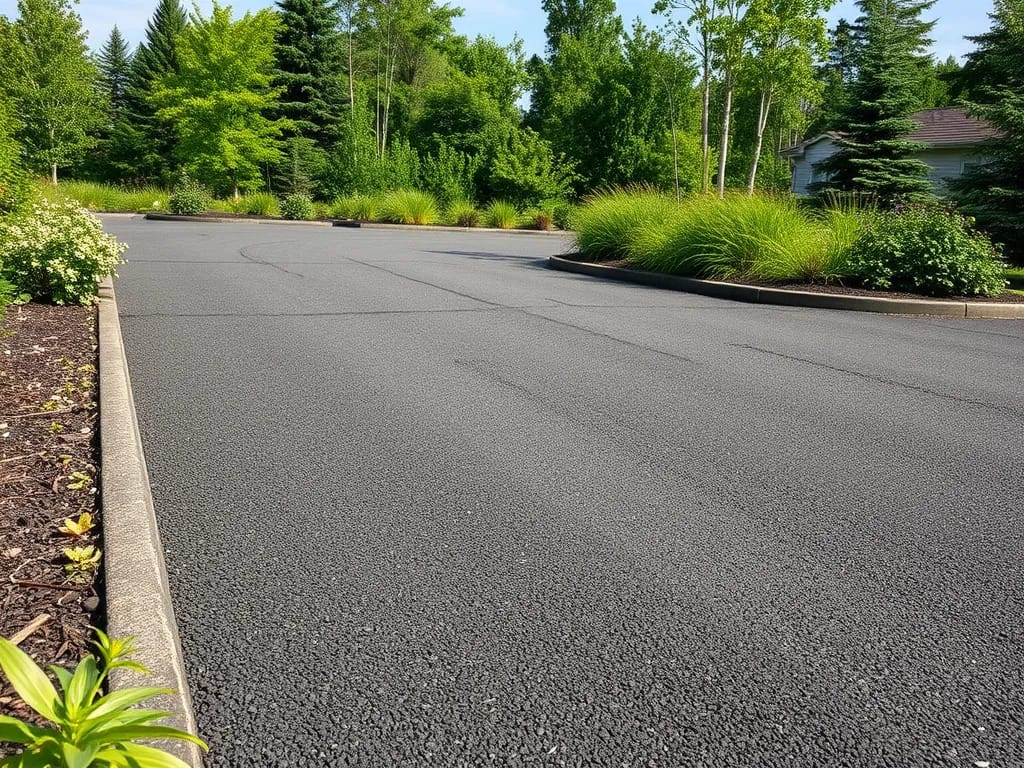
Connect your property with smooth, accessible routes using asphalt pathway paving in Charleston, SC. We build sidewalks, park loops, and multi use trails for pedestrians, bikes, and strollers. Proper grading and edging provide comfortable travel and low maintenance surfaces.
Precision Asphalt Charleston provides professional asphalt pathway paving throughout Charleston, SC, South Carolina and the surrounding area. Our licensed, insured crew delivers safe, clean, on-time work with a free estimate before anything begins. Call (854) 666-3678 or request your free quote.
Asphalt Pathways, Sidewalks, and Trails in Charleston, SC
In Charleston, pathways do more work than most people realize. They connect parking lots to building entrances, tie neighborhoods to nearby parks, and give residents a smooth place to walk, push strollers, or ride bikes. At Precision Asphalt Charleston, we focus on asphalt pathway paving that fits how people actually move through a property, not just the straight line between two points.
When we look at a new pathway, sidewalk, or trail project, we start by walking the site with you. For residential clients, this might mean figuring out how to link the driveway to the front door without creating a trip hazard at the porch. For commercial and HOA clients, it often involves mapping ADA compliant routes from parking spaces to entry doors and common areas, and making sure crosswalks and ramps line up with existing curb cuts. In coastal South Carolina, drainage and tree roots are constant concerns, so we plan layouts with existing oaks, palmettos, and low spots in mind.
Asphalt works especially well for longer runs like neighborhood walking loops, greenway trails, and access paths around retention ponds. It is forgiving underfoot, quieter than concrete when carts or bicycles roll over it, and easier to repair in sections if the ground moves. Our team has paved everything from narrow 3 foot garden walkways to 10 foot multi use community trails, all tailored to the specific use and local conditions on the property.
Planning and Design for Safe, Practical Routes
Good pathway projects in Charleston start with careful planning, because our mix of heat, storms, tides, and tree cover can create problems if they are not considered upfront. Precision Asphalt Charleston will first evaluate the grades and natural water flow on your site. We check how water currently drains after a heavy rain and identify where standing water appears. The goal is to design the pathway so that water runs off the surface within a few hours of a storm rather than pooling and softening the base.
We will talk through width, layout, and use. For a simple residential sidewalk connecting a driveway to a front entry, 4 feet is often enough. For community or commercial trails where pedestrians share space with bicycles, golf carts, or maintenance vehicles, we usually recommend 6 to 10 feet. Curves are designed with visibility in mind so users can see what is coming around a bend, which is especially important on HOA walking trails and school campuses.
Accessibility is a major part of the design process. We verify slopes to keep walking areas comfortable and ADA friendly, usually limiting running slope and cross slope so wheelchair users or anyone with mobility challenges can navigate safely. We also discuss surface transitions, such as how the new asphalt pathway will meet existing concrete at building entrances, curb ramps, or older sidewalks. Clean, flush transitions reduce trip hazards and problems with strollers or walkers.
Lighting, landscaping, and maintenance access all influence design as well. If live oaks line your route, we may adjust alignment to stay outside the heaviest root zones and plan for root barriers where needed. For paths that will be patrolled by security or used at night, we coordinate with your lighting plan to avoid dark pockets and to protect conduit runs under or along the path.
How Asphalt Pathway Paving Is Actually Installed
Many customers want to know what will happen during installation and how long their property will be disrupted. Precision Asphalt Charleston follows a straightforward, structured process to keep surprises to a minimum.
First, we handle layout and marking. We use paint and string lines to mark the exact pathway route and width, then confirm it with you on site. Once everyone agrees, we begin excavation. For new paths through grass or soil, we typically excavate 6 to 10 inches, depending on soil conditions and intended use. In marshy or very soft areas, we may go deeper or use geotextile fabric to stabilize the base and keep the stone layer from sinking into the native soil.
Next comes the base. We bring in graded aggregate base stone, spread it in lifts, and compact it with vibratory rollers or plate compactors, depending on how tight the space is. Proper compaction is critical along the coast, where heavy rains can quickly expose weak spots. We check the base with straightedges and laser levels to make sure it is smooth, crowned or sloped to shed water, and at the correct thickness.
Once the base is ready, we install the asphalt. For many walkways and light use trails, we use a 1.5 to 2 inch compacted asphalt surface course. For heavier use, like utility access roads or golf cart routes, we may recommend a thicker lift or a binder layer under the surface. Asphalt is placed either with a small paver for more consistent thickness and texture or by hand in very tight or curved areas, then compacted immediately while still hot. We form clean edges, sometimes with a small asphalt berm or with soil graded to gently meet the edge of the pavement so it is easy to mow and walk along.
Curing for asphalt pathways is relatively quick. In most cases, light foot traffic can use the path within 24 hours. For golf carts or maintenance vehicles, we usually recommend 2 to 3 days of cure time before regular use so the surface can firm up in Charleston’s heat and humidity.
Local Conditions, Wear, and Common Pathway Problems
Charleston’s climate is hard on any outdoor surface, and asphalt pathways, sidewalks, and trails are no exception. High humidity, intense sun in summer, afternoon thunderstorms, and occasional flooding can shorten the life of poorly built paths. At Precision Asphalt Charleston, we design and build specifically for these conditions.
One common issue here is edge breakup, where soil washes away from the sides of a path and the asphalt edge begins to crack. We reduce this risk by shaping and compacting the shoulders and, when requested, adding small concrete or asphalt edging to support the sides. In areas that see frequent washouts or tidal influence, we can install stronger base materials, add more compaction passes, and adjust grading to keep surface water moving away from the path.
Tree roots are another problem many Charleston property owners face. Large roots from oaks and other trees can eventually lift and crack pavement. To combat this, we try to align pathways just outside main root zones where possible. When they must pass near trees, we may install root barriers, increase base depth, or use slightly thicker asphalt to bridge minor root movement. We also recommend periodic inspections so small humps or cracks can be repaired before they become major trip hazards.
Surface aging is normal over time. UV exposure and heat gradually dry the asphalt binder, which can lead to surface raveling or hairline cracks. For pathways that see a lot of pedestrian traffic or cart traffic, a properly timed sealcoat can extend life and keep water from penetrating through minor cracks. We also fill and seal individual cracks as they appear, which is simpler and more economical than replacing a section later.
Because many Charleston properties are in low lying or flood prone areas, we also pay attention to how storm surges or king tides might affect your paths. In some cases, slight elevation changes or added drainage features can significantly reduce the time a path sits under water, which helps protect the base and asphalt over the long term.
Costs, Options, and What Affects Your Investment
The cost of asphalt pathway paving in Charleston varies, and we are transparent about what drives the numbers so you can plan realistically. Precision Asphalt Charleston builds estimates around four main factors: length and width, site conditions, structural requirements, and access for equipment.
Length and width are straightforward. More square footage means more materials and labor. However, very narrow walkways with lots of curves can sometimes cost more per square foot than a straight run because they require more handwork and edging. Site conditions can have an even bigger impact. Soft, organic soils common near marshes and creeks may require deeper excavation and thicker stone base. Areas with poor drainage may need added grading or underdrains.
Structural needs affect the asphalt section design. A simple footpath that will only ever see pedestrians can use a lighter structure than a multi use trail that must carry golf carts, maintenance trucks, or emergency vehicles. For heavier loads, we may recommend a thicker base course and a two lift asphalt system, which increases cost but significantly improves life span and performance.
Access is another often overlooked factor. If your path runs behind buildings, around ponds, or through wooded areas with no direct truck access, we may have to use smaller equipment and more manual labor to move materials in and out. This can slightly raise the price compared to an open, easily accessible jobsite.
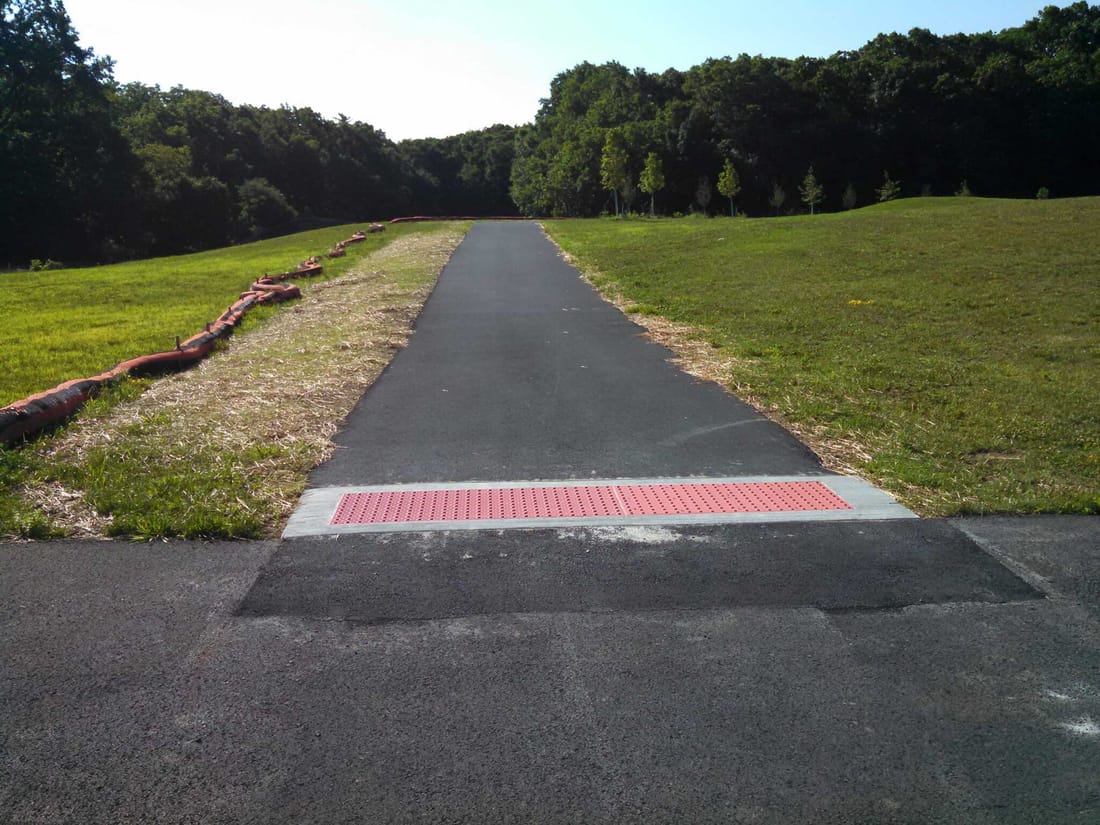
You will also have choices in finishes and details. We can create gentle curves instead of sharp angles, add pavement markings where paths cross drive lanes, and install ADA ramps or tactile warning surfaces at crossings. While these features add some cost, they typically improve safety and usability, which is particularly important for schools, churches, apartment communities, and HOA common areas.
Our estimates clearly separate base work, asphalt paving, and any additional items such as drainage improvements, concrete tie ins, or striping. That way you understand exactly where your investment is going and can decide what matters most for your property.
Maintenance, Repairs, and How to Work With Us
Once your asphalt pathway, sidewalk, or trail is installed, a simple maintenance plan will help it last. Precision Asphalt Charleston usually suggests a visual inspection at least once a year. Look for early signs of trouble like hairline cracks, small low spots that hold water after rain, or edges where soil has washed away. Addressing these issues early prevents bigger repairs later.
For crack sealing, we clean the cracks, remove vegetation, and apply hot or cold crack sealant depending on the size and location. For localized failures, such as a small area heaved by roots or weakened by repeated ponding, we cut out the damaged section, rebuild the base if needed, and patch with new asphalt. Well executed patching blends with the existing surface and restores a smooth walking line.
We also provide resurfacing for older asphalt paths when the base is still solid but the surface is worn or rough. In these cases, we may mill or grind down high spots, correct minor grade issues, and place a new asphalt overlay that ties into adjacent surfaces. This approach is often more budget friendly than full reconstruction and can add many years of service life.
Working with Precision Asphalt Charleston is straightforward. We start with a conversation about how the pathway or trail will be used, then schedule a site visit to review existing conditions, measure, and discuss options. After that, we provide a written proposal that outlines scope, thicknesses, materials, and schedule. When you are ready to proceed, we coordinate around your operations to reduce disruption, whether that means working around school schedules, business hours, or peak amenity use times in a community.
Because we live and work in the Charleston area, we are also here long term to support you. If a storm, flood, or unexpected issue damages your paths, we can evaluate the cause, recommend repairs, and help you adjust design or drainage as needed so you are better protected in the future.