Home › Asphalt Resurfacing & Overlays
Extend the life of your existing driveway with asphalt resurfacing in Charleston, SC. We repair major defects, mill high spots, and install a fresh overlay for a smooth new surface. Resurfacing is a cost effective way to upgrade aging asphalt without the price of a full tear out and replacement.
Precision Asphalt Charleston provides professional asphalt resurfacing throughout Charleston, SC, South Carolina and the surrounding area. Our licensed, insured crew delivers safe, clean, on-time work with a free estimate before anything begins. Call (854) 666-3678 or request your free quote.
Asphalt Resurfacing & Overlays in Charleston, SC
When asphalt is cracked, rough, or faded but the base is still solid, resurfacing and overlays can restore the pavement without paying for a full tear out and replacement. At Precision Asphalt Charleston, we focus on extending the life of driveways, parking lots, and private roads across Charleston and the Lowcountry with solutions that fit our coastal climate.
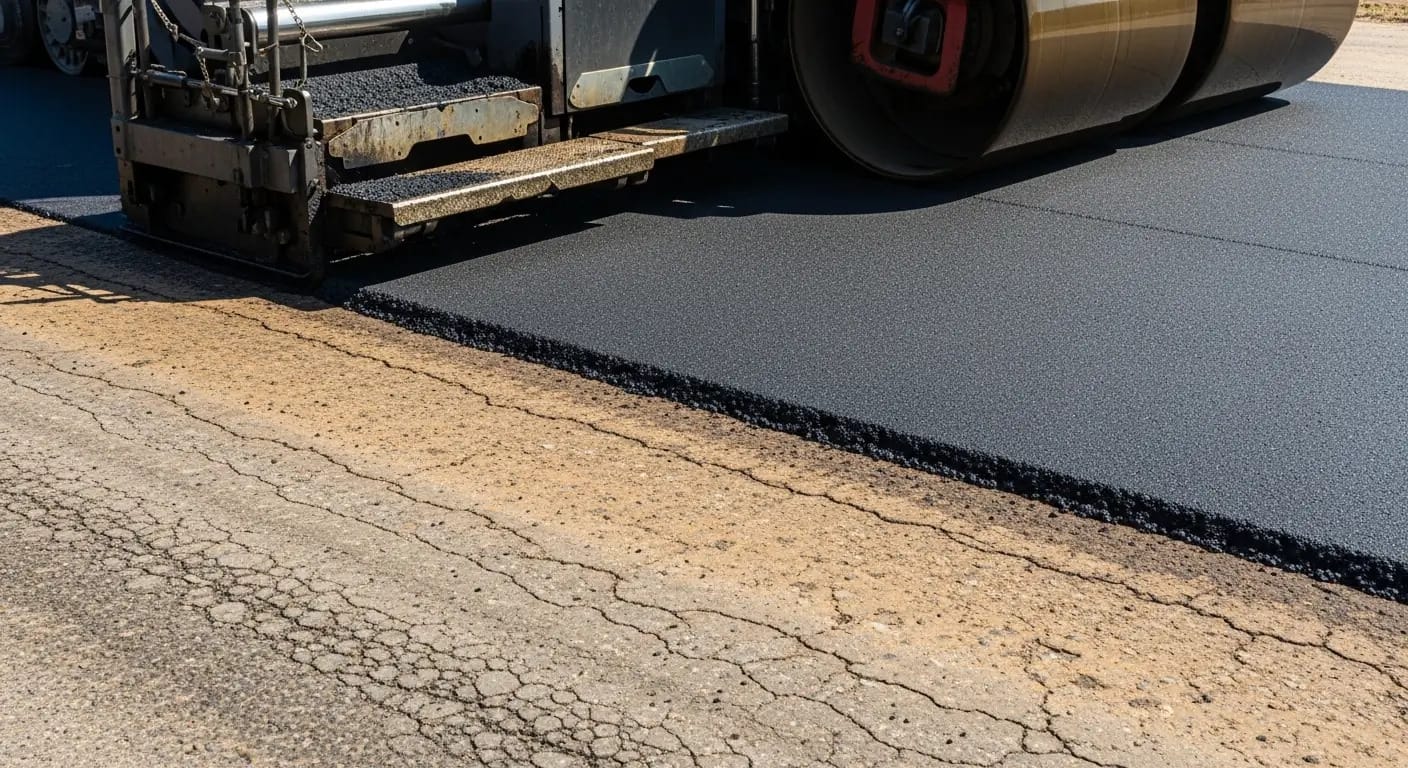
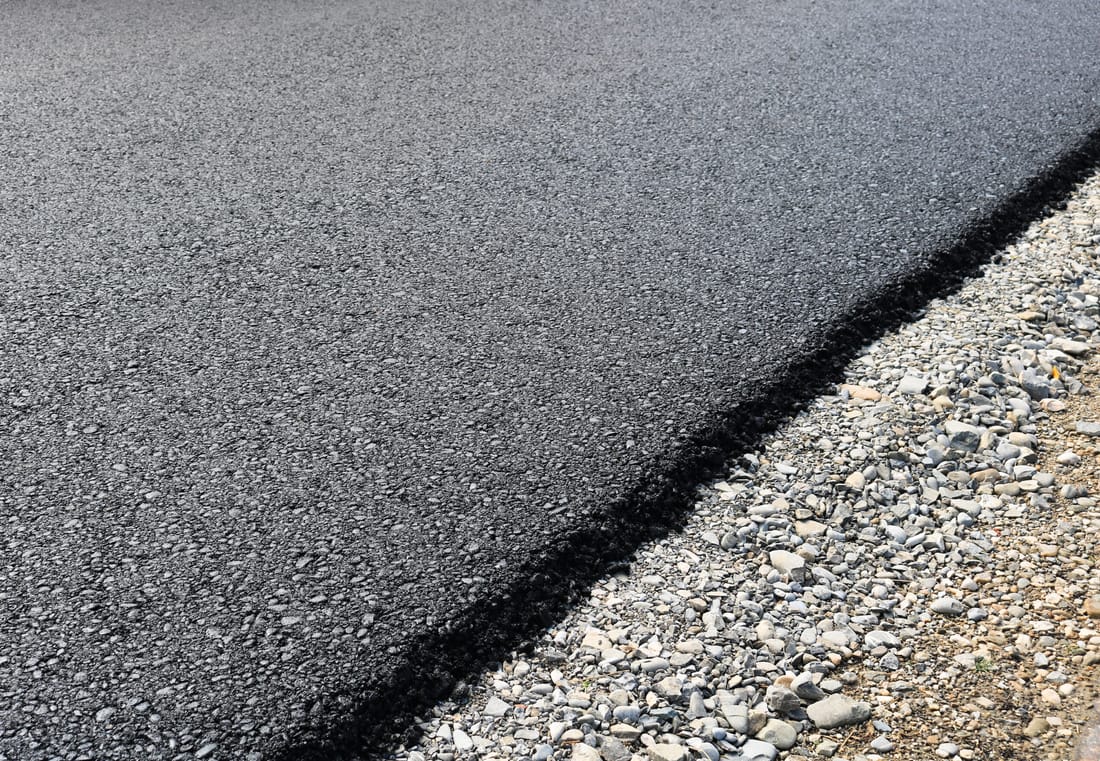
Resurfacing means installing a new layer of asphalt over your existing surface after targeted repairs are made. It typically adds 1 to 2 inches of new hot mix asphalt, which smooths out ruts, covers most surface cracks, and refreshes the appearance. Overlays can also be used to correct drainage issues, improve traction in wet weather, and add structural strength where traffic loads have increased over time.
For Charleston property owners, resurfacing is often a smart middle ground between patching and full reconstruction. We help you decide by evaluating whether the underlying base has remained stable through our frequent summer rains, high groundwater, and occasional flooding. If your pavement is structurally sound, resurfacing can save you significant cost while still giving you a clean, like new surface that holds up for years.
How We Evaluate If Your Asphalt Is a Good Candidate
Before recommending asphalt resurfacing, Precision Asphalt Charleston performs a detailed site assessment. Our crews walk and drive the pavement, checking for soft spots, alligator cracking that suggests base failure, ponding water, and heaving at tree roots or utilities. We note how trucks, garbage collection, and delivery vehicles use the site, because heavier loads may require a thicker overlay or base repairs.
We often perform core tests in troubled areas. This involves cutting a small circular sample of existing asphalt to see the thickness, condition of the layers, and the state of the base underneath. On the coast, we pay attention to moisture trapped under the pavement and signs of pumping, where water and fines are pushed up through cracks when vehicles pass. These issues tell us if resurfacing alone is safe or if partial reconstruction is needed first.
We also review your drainage pattern. Charleston’s flat topography and tidal influence can cause water to sit on low spots. If we see consistent standing water after rainfall, we know a standard overlay might simply hide the problem. In those cases, we design the overlay grades to shed water away from buildings and toward existing drains or swales, sometimes adding small milling transitions to correct the slope.
Step by Step: Our Asphalt Resurfacing & Overlay Process
When resurfacing is the right choice, Precision Asphalt Charleston follows a clear, methodical process to avoid the premature failures that can happen in our humid, coastal environment.
1. Preparation and cleaning: We start by blocking off the work area, posting notices as needed for tenants or customers, and then thoroughly cleaning the existing surface. This includes mechanical sweeping and, where needed, power blowing to remove sand, shell fragments, leaves, and construction dust that are common around Charleston properties.
2. Patching and base repairs: Any areas with deep potholes, severe alligator cracking, or base pumping are saw cut and removed. We rebuild the base using compacted crushed stone or graded aggregate base, then place and compact new asphalt patches flush with the surrounding surface. This step prevents weak spots from reflecting through the new overlay.
3. Milling and edge transitions: Where your asphalt meets garages, sidewalks, gutters, or public roads, we use milling machines to grind down the existing surface so the final overlay ties in smoothly without creating tripping hazards or high transitions. In downtown Charleston or HOA communities, this is especially important for accessibility compliance and avoiding drainage changes.
4. Tack coat application: We spray a thin, even tack coat (a bonding asphalt emulsion) over the entire surface. In our climate, we are careful about timing, so the tack is tacky but not tracked by vehicle tires. This step is critical for bonding the new overlay to the old pavement and preventing slippage or delamination.
5. Placing the new asphalt overlay: We install a new layer of hot mix asphalt at the designed thickness, typically 1 inch for light residential driveways up to 2 or more inches for commercial parking lots or routes used by delivery trucks. Our crews use pavers for large open areas to achieve a smooth, consistent mat, followed by steel drum and pneumatic rollers for proper compaction.
6. Joint sealing and finishing: We compact longitudinal and transverse joints carefully so they are tight and smooth. After rolling, we check the surface for segregation, ridges, or visible roller marks and correct them on the spot. Finally, we place temporary barricades and signage so the asphalt can cool and set before traffic resumes.
Local Considerations: Charleston’s Climate, Codes, and HOAs
Asphalt behaves differently in Charleston than it does in cooler, drier regions. Heat, humidity, and salt in the air all affect how an overlay should be designed and installed. Precision Asphalt Charleston adjusts mix selection and scheduling to deal with this. For example, we avoid paving the thickest overlays in the hottest part of the afternoon to prevent shoving and slow cooling, and we choose mixes that resist rutting under heavy summer temperatures.
Local stormwater rules matter too. In many parts of Charleston County and the City of Charleston, any work that changes drainage or affects curb inlets or swales may trigger review under stormwater ordinances. When an overlay will noticeably change elevations, we design the work to maintain or improve existing drainage patterns so you do not run into compliance issues or neighbor complaints about redirected runoff.
In historic and coastal neighborhoods like James Island, West Ashley, and Mount Pleasant, HOAs often have specific requirements about appearance, color, and timing. We provide written scope descriptions and diagrams you can submit for HOA approval, including overlay thickness, striping layout, and any speed bump or traffic calming changes. We also schedule work to minimize disruption during peak tourist and beach seasons when short term closures are harder on residents and businesses.
Material Options, Thickness Choices, and Cost Drivers
Not all overlays are the same, and the choices you make affect performance and cost. Precision Asphalt Charleston walks you through the options instead of defaulting to a one size fits all approach.
Overlay thickness is one of the biggest drivers. A light 1 inch overlay may be adequate for a lightly loaded residential driveway that only sees passenger cars. For commercial parking lots, churches, and medical offices where delivery trucks and frequent turning movements are common, we often recommend 1.5 to 2 inches. Heavier duty areas, such as dumpster pads or loading zones, may require even thicker asphalt or full depth reconstruction.
Mix design also matters. For overlays in high traffic commercial areas, we may specify a slightly coarser surface mix that provides better skid resistance when roads are wet from summer storms. For residential driveways, a finer surface mix can create a smoother, more refined appearance. All mixes we use comply with South Carolina DOT standards or better, which ensures quality aggregate and binder.
Other cost factors include how much patching or base repair is needed before the overlay, access to the site for equipment, the need for traffic control or police details on busy streets, and whether new striping, wheel stops, or signage will be added. We provide clear, itemized proposals that separate out these components so you can see exactly where your dollars are going and adjust the scope if needed.
Common Problems and How Resurfacing Solves Them
Homeowners and property managers in Charleston call Precision Asphalt Charleston for resurfacing when they notice a combination of cosmetic and functional issues. These often include widespread cracking, raveling where the surface stones are loosening, depressions where cars always park, and faded striping that creates confusing traffic patterns.
An overlay addresses many of these issues at once. By filling shallow ruts and low spots and then adding a new surface layer, we restore a smoother ride and improve curb appeal. New striping improves parking efficiency and safety, especially in lots near schools, churches, and medical offices where pedestrians and vehicles mix.
However resurfacing is not a cure all. Some problems, like chronic standing water due to an undersized or clogged drain system, may require drainage improvements in conjunction with the overlay. Tree root heave is another local concern in older Charleston neighborhoods. In these cases, we may need to selectively remove and rebuild sections with root barriers or adjust the layout slightly to avoid repeated lifting.
We also advise on how to time resurfacing with other site improvements. For example, if you plan to run new underground utilities or add irrigation, it is best to complete that work before the overlay so you do not have to cut into your brand new pavement.
What to Expect: Timeline, Access, and Long Term Care
Most residential resurfacing projects in Charleston can be completed in one day, with light vehicle traffic allowed back on the surface within 24 hours and full curing continuing for several days. For larger commercial lots and communities, we schedule work in phases so you can keep part of the site open at all times. Our team helps create phasing maps and temporary traffic patterns so tenants, customers, and delivery drivers know exactly where to go.
You will see our crew early in the morning, setting up cones, signage, and safety barriers. We coordinate with you in advance on where residents or employees should park, where trash collection will occur, and any special access needs for medical or emergency vehicles. For businesses in busy corridors like Savannah Highway or Rivers Avenue, we can schedule off peak or weekend work to reduce impact.
After the overlay is complete, we provide specific care instructions tailored to our climate. These include avoiding sharp turns from stationary steering in the first few days, not placing motorcycle kickstands or heavy dumpsters directly on fresh asphalt without pads, and delaying sealcoating until the new surface has had time to properly cure, usually 6 to 12 months. We outline a maintenance plan that includes routine crack sealing and eventual sealcoating so you can get the longest possible life from your resurfacing investment.