Home › Road, Street, and Municipal Paving
Partner with an experienced road paving contractor in Charleston, SC for streets, subdivisions, and municipal projects. We provide full service asphalt construction, from grading and base work to paving and compaction. Our crews and equipment handle everything from small city streets to multi lane access roads.
Precision Asphalt Charleston provides professional road paving throughout Charleston, SC, South Carolina and the surrounding area. Our licensed, insured crew delivers safe, clean, on-time work with a free estimate before anything begins. Call (854) 666-3678 or request your free quote.
Road, Street, and Municipal Paving in Charleston, SC
Road paving in Charleston is not just about putting down blacktop. Our climate, coastal soils, and heavy tourism traffic all affect how long a road surface will last. At Precision Asphalt Charleston, we focus on building roadways that hold up to summer heat, tidal moisture, and constant stop‑and‑go conditions around schools, neighborhoods, and commercial corridors.
We regularly work on local streets, subdivision roads, small connectors, and municipal facilities across Charleston, North Charleston, West Ashley, and nearby communities. That experience means we know how to coordinate with the City of Charleston, SCDOT guidelines, HOA boards, and utility companies so projects move forward with minimal disruption. Whether you are planning a new neighborhood street or rebuilding a worn city block, we help you choose the right pavement structure for the traffic and soil on that specific site, not a one‑size‑fits‑all design.
We understand that many local decision makers, such as HOA presidents or small town administrators, may only manage a road paving project once or twice in their careers. Our team walks you through the process clearly, explains options in plain language, and maps out how to phase work to keep residents, businesses, and emergency services moving while the project is underway.
How Professional Road Paving Actually Gets Done
A successful road, street, or municipal paving project starts long before the first truck arrives. We begin with a site meeting where we look at current pavement failures, drainage patterns, and traffic flow. In older Charleston neighborhoods, for example, we often see alligator cracking from thin original pavement and rutting near intersections from buses and garbage trucks. We take core samples when needed to see how thick the current asphalt and base really are, instead of guessing from the surface.
Next, we design the pavement section. For low‑traffic residential streets, we might recommend a compacted crushed stone base with 2 lifts of hot‑mix asphalt. For bus routes or industrial access roads, we increase base depth, use stiffer asphalt mixes, and sometimes add a stabilized subbase to control movement in softer coastal soils. We also align the design with local standards so your road can be accepted by the municipality if required.
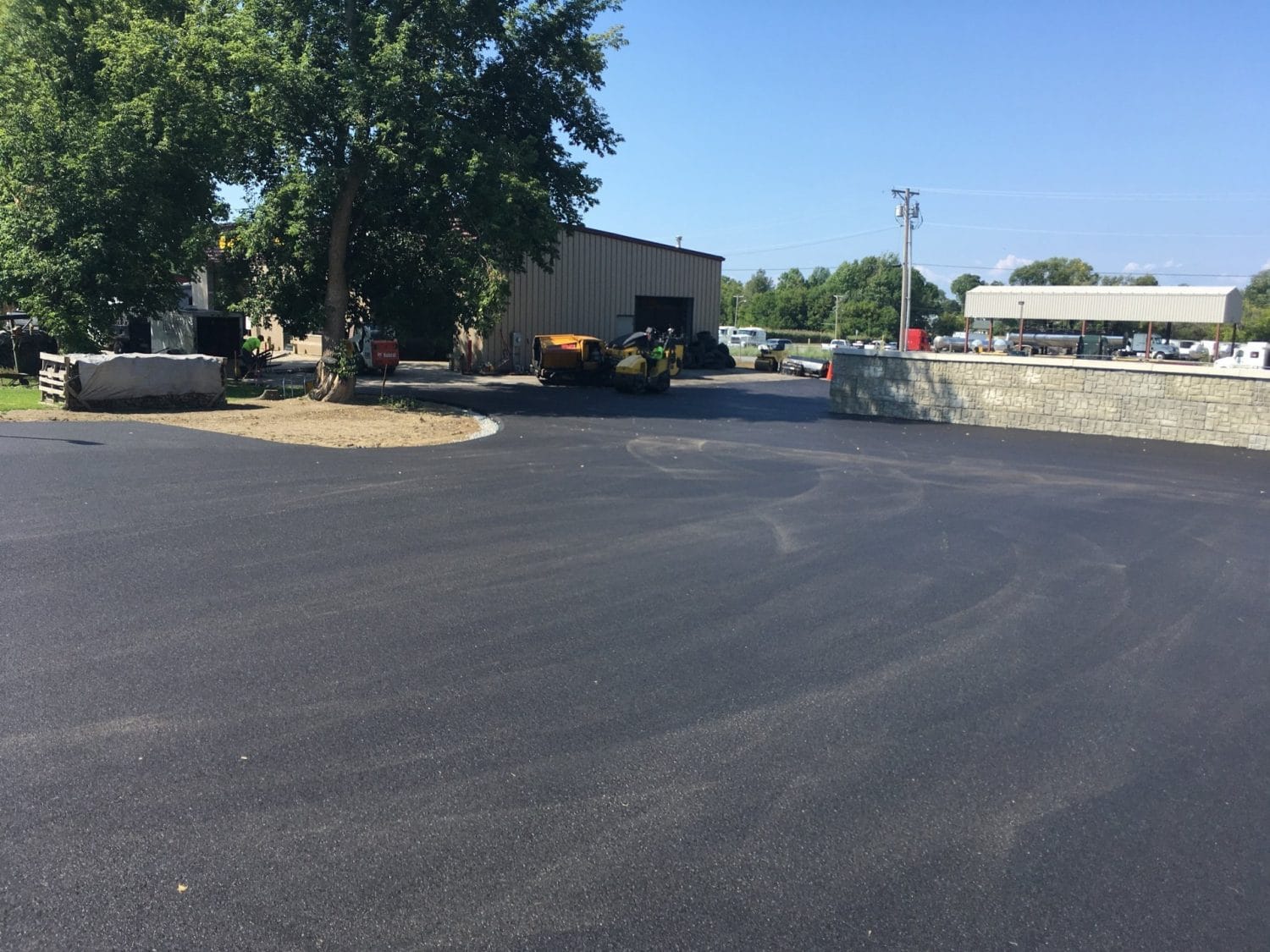
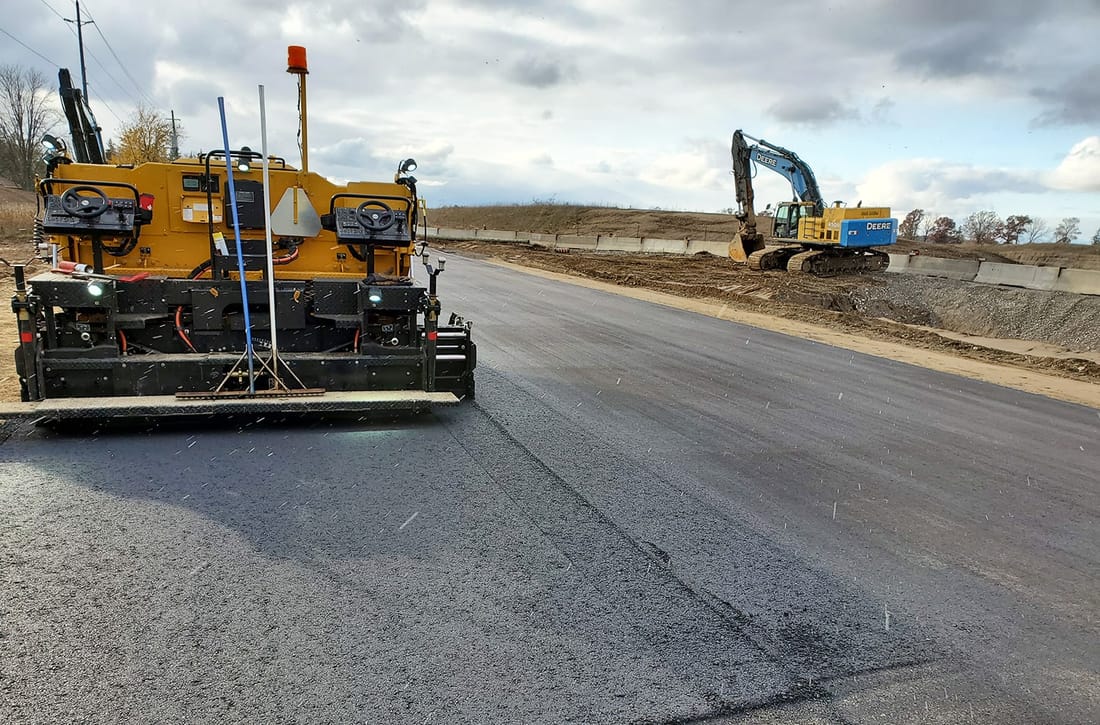
Construction typically follows these steps: first, we mill or remove failed pavement and any soft base material. Then we regrade and compact the subgrade to reach the right crown and cross‑slope for drainage. After that we place and compact the stone base in layers, checking density with field tests. Only when the foundation is right do we place asphalt. We usually install a base course first, then a surface course with the smooth finish drivers notice. Rollers make multiple passes at specific temperatures to lock the aggregate together and eliminate voids that would invite water and future potholes.
Throughout the job, a supervisor from Precision Asphalt Charleston monitors temperatures, layer thickness, and compaction. That quality control is the difference between a surface that looks good on opening day and one that still looks good ten or fifteen Lowcountry summers later.
Road Paving Materials, Mix Options, and Design Choices
Not every blacktop road is built the same way. In Charleston, the mix you choose affects how your pavement handles heat, rain, and traffic loading. For neighborhood streets with moderate traffic, we often use a dense‑graded hot‑mix asphalt that balances durability and cost. On heavier routes, such as roads serving distribution centers or schools with frequent bus traffic, we may specify a mix with a higher stone content and modified binders that resist rutting under slow, heavy loads.
We also look closely at base materials, because coastal soils can be soft or hold water. In some areas we may recommend a thicker graded aggregate base or a cement‑stabilized layer under the asphalt. In spots with chronic wetness, like road sections near marsh edges or low ditches, we can install underdrains or improve the cross‑slope so water leaves the pavement faster.
Surface texture and appearance are part of the design too. For municipal streets or downtown connectors, we can provide tighter surface mixes that reduce tire noise and improve ride smoothness. We also coordinate pavement markings, crosswalk placement, and ADA ramp transitions with the new asphalt so everything ties together cleanly. If your project is in a historic or visually sensitive area, we can discuss options like colored crosswalks or specialty coatings for specific zones, while keeping the main driving lanes in a cost‑effective standard mix.
Common Road Problems in Charleston and How We Fix Them
Charleston roads face a unique combination of salt‑laden air, high groundwater, and storm events that can quickly expose weak construction. We frequently see alligator cracking, which signals base or subgrade failure under the asphalt, and longitudinal cracks that line up with utility trenches that were not properly compacted years ago. Simply overlaying new asphalt on top of these issues would only hide the problem for a short time.
At Precision Asphalt Charleston, we start by identifying the root cause. If the base is pumping or saturated, we may undercut, remove the soft material, and replace it with a properly compacted granular base or a stabilized fill. For reflective cracking over old utility cuts, we might install localized full‑depth patches before resurfacing, so the new layer is not immediately fractured.
Drainage is another recurring issue. In older subdivisions, roads often have settled so that water now stands along the curb after summer thunderstorms. Before paving, we correct grades where practical and rework or add inlets. On some municipal streets, even a small change like increasing the crown by a quarter of an inch can noticeably reduce standing water.
We also plan for future utility work. Since Charleston continues to replace aging water and sewer lines, we coordinate with public works or utility providers when possible so major cuts do not immediately damage newly paved surfaces. Where cuts are unavoidable, we can provide sawcut and patching specifications to help keep long‑term performance intact.
What Drives the Cost of Road and Street Paving
Understanding what affects cost helps you compare proposals fairly. The first major factor is pavement structure. Thicker base and asphalt layers cost more upfront, but they may reduce long‑term patching and overlay needs. For a residential street in West Ashley, for example, the right design might save multiple resurfacing cycles over 20 years.
Existing conditions matter a lot. Roads with minimal base failure and acceptable drainage can often be milled and resurfaced at a relatively predictable cost. However, if we find widespread soft subgrade, frequent utility trench failures, or severe rutting, we have to budget for more excavation, stone, and compaction time. That is why we prefer to walk and test the project before giving a final number rather than relying on aerial measurements alone.
Access, traffic control, and phasing are also significant. Paving a cul‑de‑sac where we can close the road for a day costs less than rebuilding a busy municipal connector that needs to remain open in stages with flaggers, detours, and off‑peak work hours. In downtown Charleston, tight spaces and limited staging areas can also increase labor time.
Material prices, especially liquid asphalt binder and fuel, fluctuate seasonally and with global markets. We structure our proposals to be clear about what is included, such as milling, utility adjustments, striping, and shoulder restoration, so you are not surprised later. Our team is happy to discuss options, such as phasing work over multiple budget years or prioritizing the worst segments first, to fit your funding realities.
Planning and Scheduling Road Paving with Precision Asphalt Charleston
Road paving affects real people who need to get to work, school, and home, so careful planning is as important as good construction. When you contact Precision Asphalt Charleston, we start with your constraints: school calendars, tourist seasons, major events, and any local restrictions on night or weekend work. In areas near downtown or beach routes, we often recommend scheduling major work outside peak visitor periods to reduce complaints and traffic backups.
We then develop a phasing plan that shows which blocks or segments will be worked on each day, how access will be maintained, and how emergency vehicles can reach every address. For HOA and private roads, we can provide notices and maps for residents, including instructions on parking during milling and paving days. For municipal projects, we coordinate signage, lane shifts, and detours with your staff.
Before any work starts, we verify all underground utility locates and manhole locations, and we discuss how to handle unexpected findings such as shallow utility lines or unknown structures that are common in older parts of Charleston. Throughout the job, our supervisor is available on site and by phone so you have one clear point of contact.
When paving is complete, we provide guidance on opening times, initial speed limits, and early maintenance, such as avoiding sharp turning of heavy vehicles on hot days until the surface cools and stiffens. We can also set up a maintenance schedule that includes periodic inspections and, when appropriate, future seal coats or overlays to extend the service life of your investment.